Section outline
-

This course provides students with experience in analysing chemical concepts related to the interaction of chemicals with the biotic, abiotic, and social environment. Lecture materials focus on the sources, reactions, transportation, effects and condition of chemical species in the air, water, and soil environment, as well as the influence of human activities on these processes. Lectures are carried out with discussions, demonstrations, and assignments that provide students with experience in solving environmental problems. The environmental problems are related to the local context issues.
-
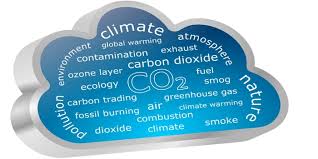
Our environment is a hugely complex system that includes the air we breathe, the land we live on, the water we drink and the climate around us. Chemistry can help us to understand, monitor, protect and improve the environment around us. Chemists are developing tools and techniques to make sure that we can see and measure air and water pollution. They have helped to build the evidence that shows how our climate has changed over time. And they can be part of the effort to understand and address new problems that we face like microplastics and the potential effects of the different chemicals that we are exposed to.
Activities: 6 -
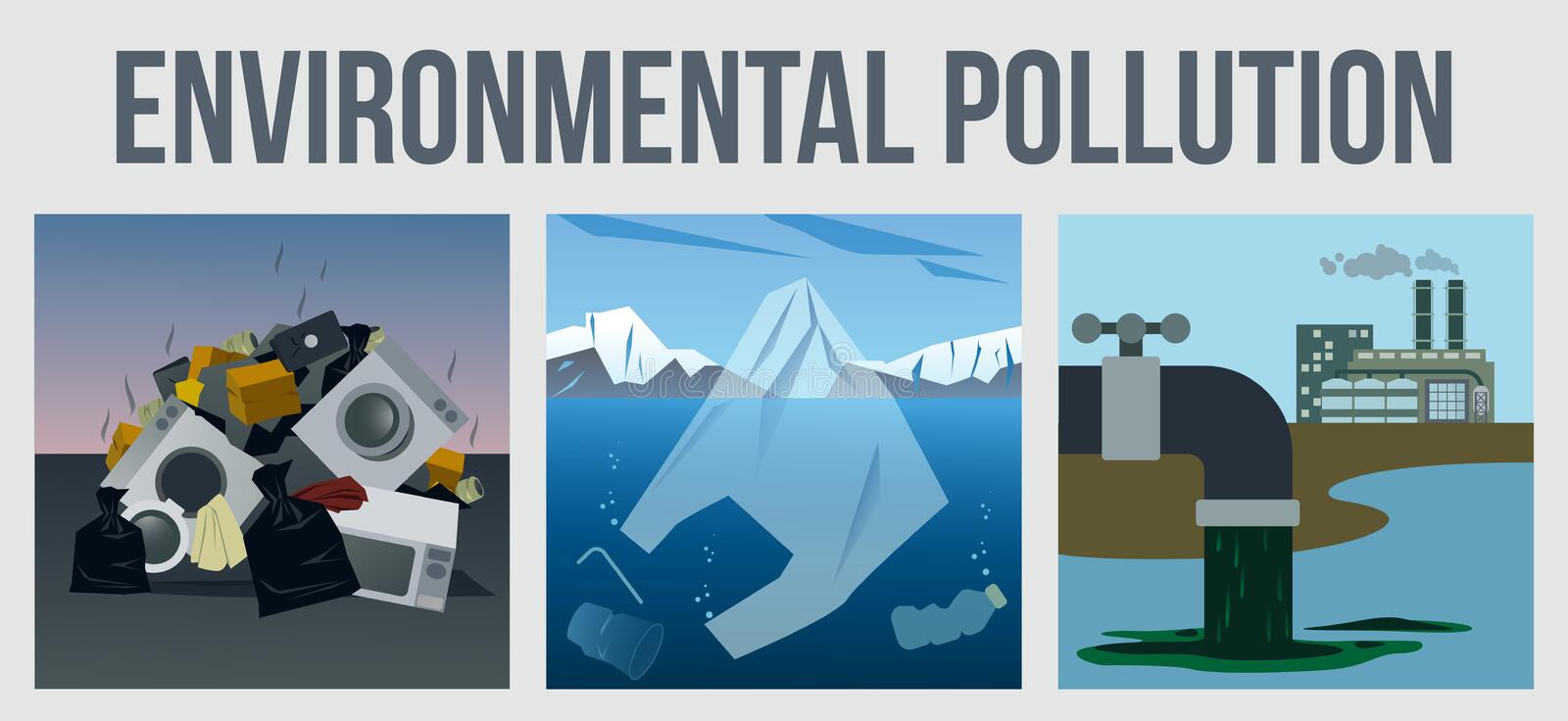
The environment is defined as the surroundings of a physical system that may interact with other systems by exchanging mass and energy. All living beings and non-living things fall under the natural environment. A substance becomes a pollutant when its concentration is greater than the natural abundance and this increase in concentration is either due to human activities or natural phenomena. There are pollutants which can be degraded and rapidly broken down by natural processes similar to the degradation of vegetables.
Activities: 3 -

Climate forcing refers to a change in the Earth’s energy balance, leading to either a warming or cooling effect over time. An increase in the atmospheric concentrations of greenhouse gases produces a positive climate forcing, or warming effect. Worldwide, net emissions of greenhouse gases from human activities increased by 43 percent from 1990 to 2015. Historical measurements show that the current global atmospheric concentrations of carbon dioxide are unprecedented compared with the past 800,000 years, even after accounting for natural fluctuations.
Activities: 3 -
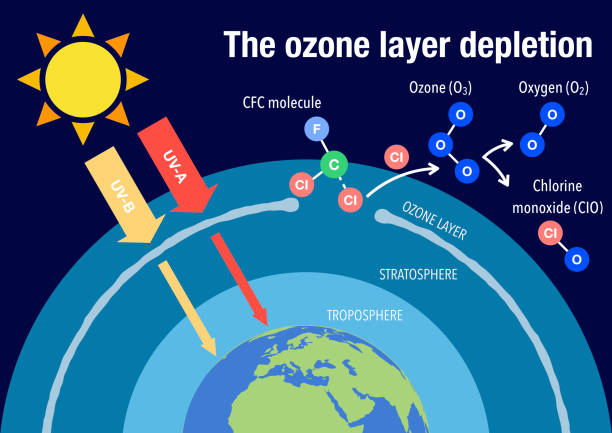
Ozone is both beneficial and harmful to us. Near the ground, ozone forming as a result of chemical reactions involving traffic pollution and sunlight may cause a number of respiratory problems. However, high up in the atmosphere in a region known as the stratosphere, ozone filters out incoming radiation from the Sun in the cell-damaging ultraviolet (UV) part of the spectrum. Without this ozone layer, life on earth would not have evolved in the way it has. Nevertheless, during the 1970s it was realised that man-made emissions of CFCs and other chemicals used in refrigeration, aerosols and cleansing agents may cause a significant destruction of ozone in the stratosphere, thereby letting through more of the harmful ultraviolet radiation.
Activities: 2 -
In 2019, World Health Organization (WHO) has considered air pollution as “the greatest environmental risk to health”. Urban air pollution refers to the air pollution in and around cities. Denser populations experience more urban air pollution. Air pollution affects human health as well as the climate of an area. According to World Health Organization (WHO) 4.2 million deaths every year occur as a result of exposure to ambient (outdoor) air pollution. Although there are some natural sources of urban air pollution, most of the sources are anthropogenic and largely depend on the activities of people.
Activities: 2 -
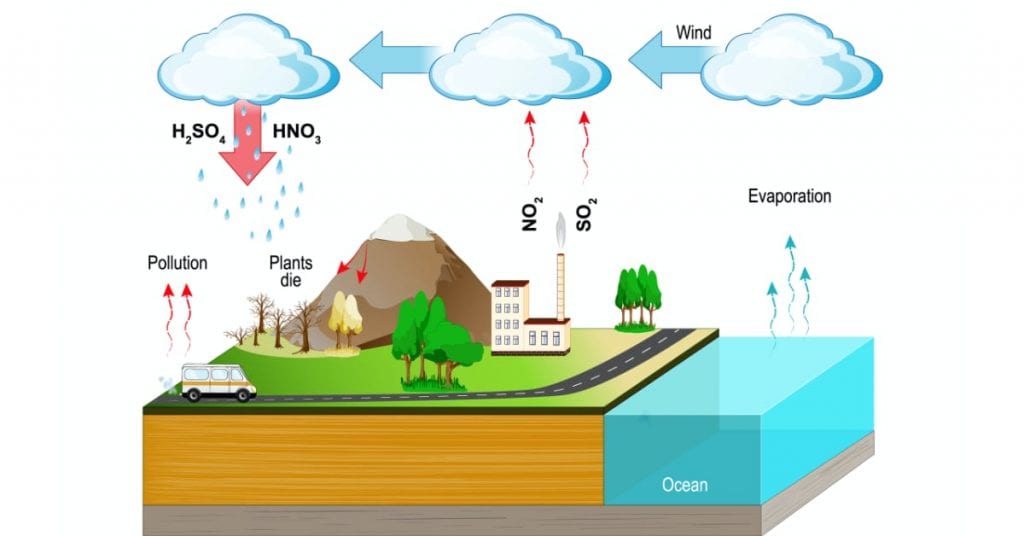
Acid deposition is a general name for a number of phenomena, namely acid rain, acid fog and acid mist. This means it can imply both wet and dry (gaseous) precipitation. Acid deposition is concerned with long-range rather than local effects. Pollutants are mixed in the atmosphere and therefore usually cannot be attributed to any local source. Pollutants are generally more dispersed and of lower concentrations than local ground level pollutants. Acid deposition typically has a pH below 4, but this may be as low as 1.5 under seriously acidic conditions.
Activities: 2 -
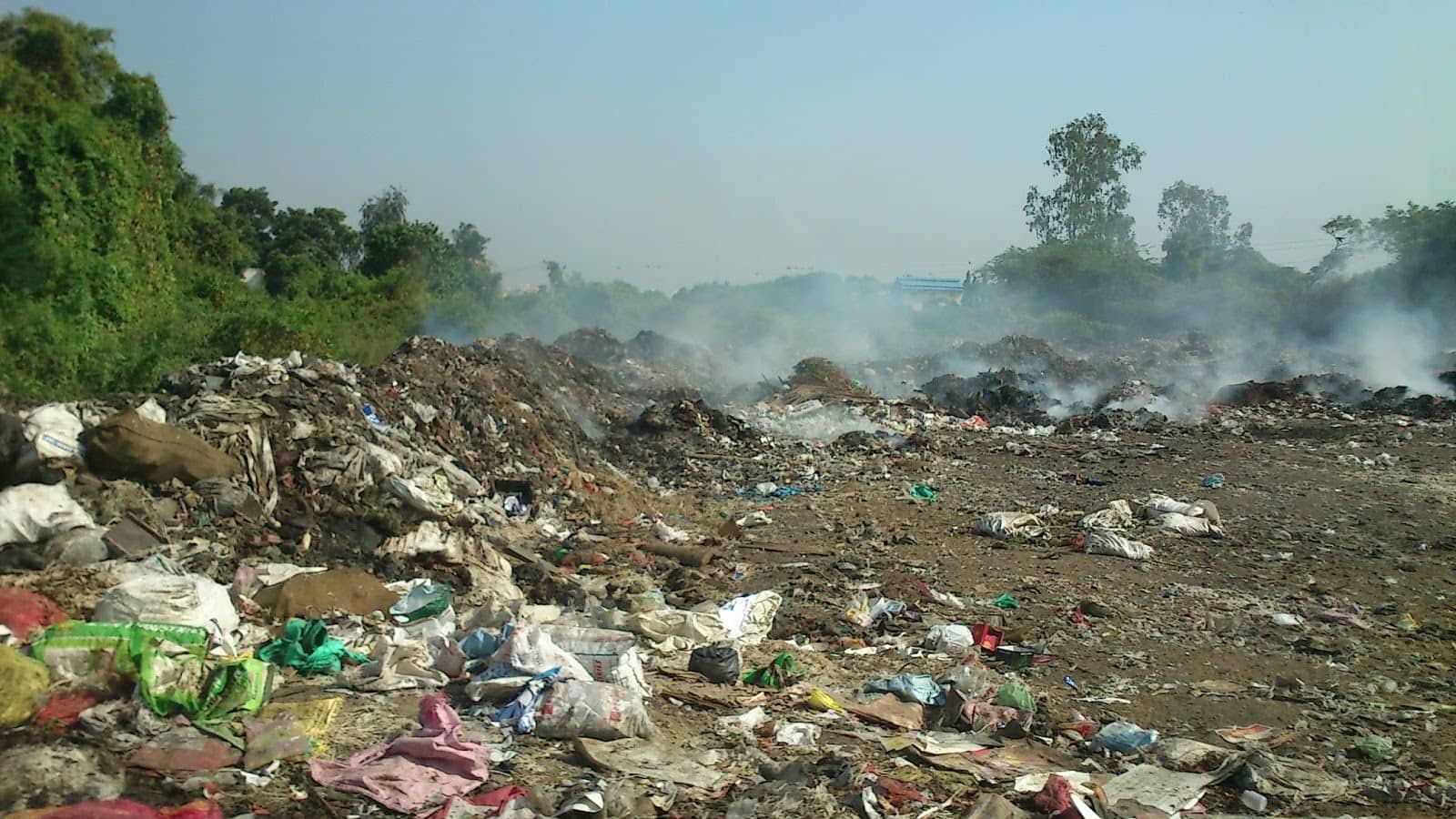
Soil pollution is defined as the presence of toxic chemicals (pollutants or contaminants) in soil, in high enough concentrations to pose a risk to human health and/or the ecosystem. In the case of contaminants which occur naturally in soil, even when their levels are not high enough to pose a risk, soil pollution is still said to occur if the levels of the contaminants in soil exceed the levels that should naturally be present.
Activities: 1 -
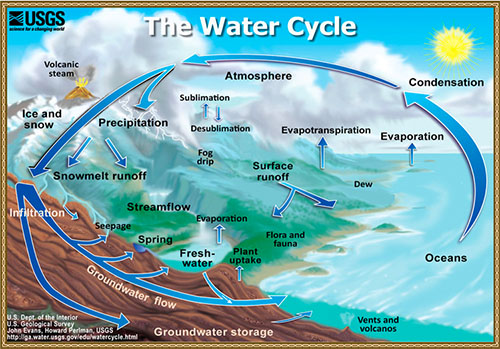
Water is the most essential compound for all living things. Water is the only common substance that occurs naturally on earth in three forms: solid, liquid and gas. It is distributed in various locations, called water reservoirs. The oceans are by far the largest of the reservoirs with about 97% of all water but that water is too saline for most human uses. Although most people in the world use surface water, groundwater is a much larger reservoir of usable fresh water, containing more than 30 times more water than rivers and lakes combined.
Activities: 2 -
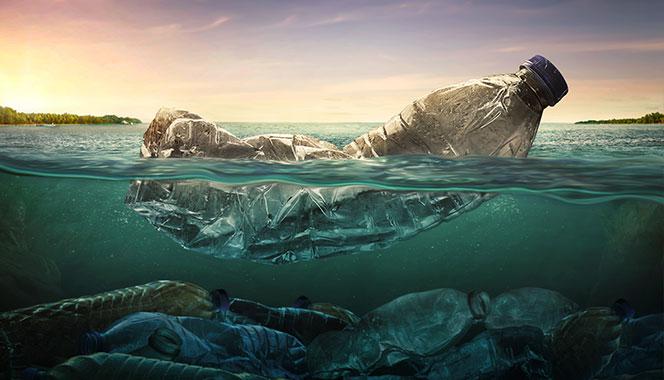
Freshwater pollution originates from many sources, including municipal, industrial and agricultural waste, wastewater and nutrient run-off, power generation, heavy industry, automobiles, and others. Marine pollution is a combination of chemicals and trash, most of which comes from land sources and is washed or blown into the ocean. This pollution results in damage to the environment, to the health of all organisms, and to economic structures worldwide.
Activities: 1 -
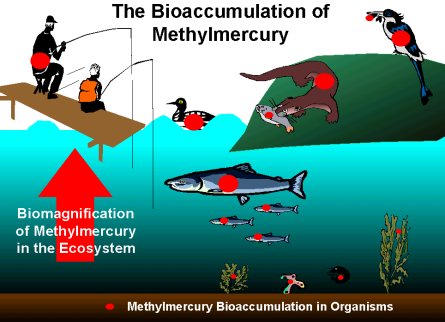
Heavy metals are well-known environmental pollutants due to their toxicity, persistence in the environment, and bioaccumulative nature. Their natural sources include weathering of metal-bearing rocks and volcanic eruptions, while anthropogenic sources include mining and various industrial and agricultural activities.
Activities: 1